Cantaloupe Jello Cubes: Step-by-Step Instructions
Instructions
- Place the cubed cantaloupe in a blender and blend until smooth.
- Strain the cantaloupe juice through a fine-mesh sieve to remove any pulp. This will give the jello a smoother texture.
- In a small saucepan, sprinkle the gelatin powder over 1 cup of cold water. Let it sit for 5 minutes to bloom (soften).
- Heat the gelatin mixture over low heat, stirring constantly, until the gelatin is completely dissolved. Do not boil.
- Remove the gelatin mixture from the heat and stir in the remaining 1 cup of water.
- Add the cantaloupe juice to the gelatin mixture and stir well to combine.
- Pour the mixture into a square or rectangular baking dish (about 8×8 inches).
- Refrigerate for at least 4 hours, or until the jello is firm.
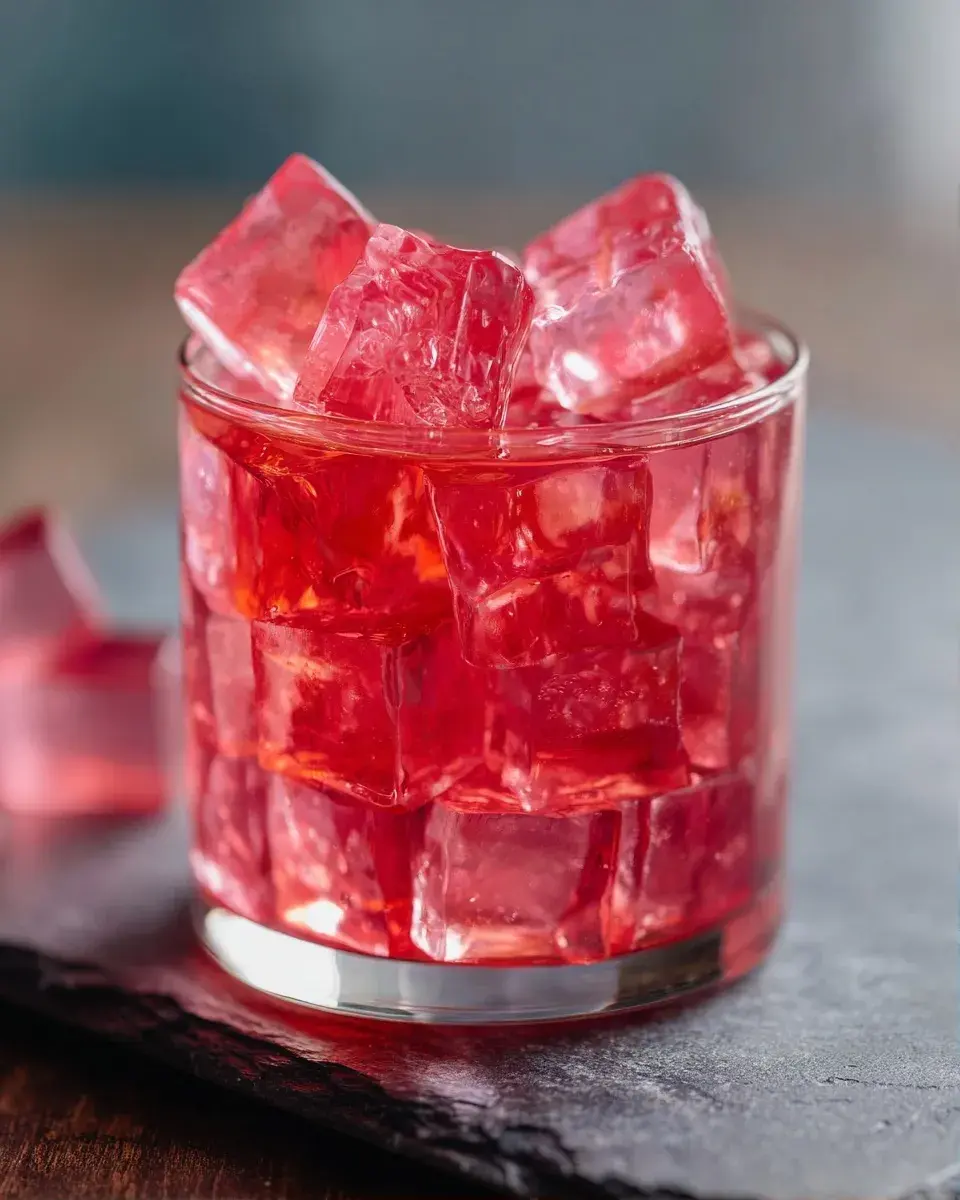
- Once firm, cut the jello into cubes and serve chilled.
Key Terms Explained
| Term | Explanation | Why it matters here |
|---|---|---|
| Gelatin | Gelatin is a protein derived from collagen. It acts as a thickening agent, giving jello its characteristic texture. | Gelatin is the key ingredient that allows the cantaloupe juice to solidify into jello cubes. |
| Hydrolysis | Hydrolysis is a chemical reaction where water is used to break down a substance. Gelatin is produced through the hydrolysis of collagen. | The process of making gelatin involves hydrolysis, which helps create the desired texture for the jello. |
| Macronutrients | Macronutrients are the main building blocks of our diet: protein, carbohydrates, and fats. They provide energy and support various bodily functions. | Understanding the macronutrient breakdown of this recipe helps you make informed choices about fitting it into your overall diet. |
| Lipogenesis | Lipogenesis is the metabolic process where your body converts excess carbohydrates into fatty acids, which are then stored as body fat. | Consuming excessive amounts of these cubes could contribute to lipogenesis if they are eaten in addition to a high-calorie diet. |
The Truth About This Recipe
The Truth About This Recipe: While these cantaloupe jello cubes are a healthier alternative to processed sweets, they aren’t a magic bullet for weight loss. They’re low in calories and provide some nutrients, but portion control is still key. Enjoy them as part of a balanced diet and active lifestyle. Don’t expect drastic results from a single snack!
Move Your Body
Enjoy your jello cubes and pair it with a brisk 20-minute walk. Burning around 100 calories can balance out those extra carbs!
Delicious Variations
For a keto-friendly version, use a sugar-free sweetener like stevia or erythritol instead of relying solely on the cantaloupe’s natural sugars. For a Mediterranean twist, add a squeeze of lime juice and a sprinkle of mint before refrigerating. To make it low-carb, use a melon with lower sugar content, and supplement with sugar-free sweetener.
Healthier Alternatives
To reduce sugar intake further, use a melon with naturally lower sugar content. Increase fiber by adding a tablespoon of chia seeds to the mixture before refrigerating, which will also add a thicker texture. Consider using agar-agar instead of gelatin for a vegan option that provides similar thickening properties.
Serving Suggestions
Serve these cantaloupe jello cubes as a refreshing dessert after a light meal. Avoid pairing them with processed foods high in fat and sugar, as this can overload your system with excess calories and contribute to weight gain. A handful of nuts or seeds can provide a balanced pairing.
Storage Instructions
Store the cantaloupe jello cubes in an airtight container in the refrigerator for up to 3 days. They may become slightly watery over time, but they will still be safe to eat. Avoid freezing, as this will alter the texture.
Frequently Asked Questions
Are these jello cubes good for weight loss?
They can be a healthier alternative to high-calorie desserts, but they’re not a guaranteed weight-loss solution. They are low in calories and provide some nutrients, but portion control and a balanced diet are essential.
Can I use a different type of melon?
Yes, you can substitute other melons like honeydew or watermelon. The flavor and sweetness will vary, so adjust the sweetener accordingly.
Can I use sugar-free gelatin?
Yes, but be aware that sugar-free gelatin often contains artificial sweeteners. Read the label carefully if you’re sensitive to these ingredients.
Do I need to strain the cantaloupe juice?
Straining is optional, but it results in a smoother jello texture. If you don’t mind a bit of pulp, you can skip this step.
How can I make these jello cubes even healthier?
Consider blending in a small amount of spinach or kale for added nutrients. The cantaloupe flavor will mask the taste of the greens. Just remember that even small additions contribute to overall calories.
Conclusion
These cantaloupe jello cubes are a simple and delicious way to enjoy a healthy snack. Remember, sustainable healthy eating is about making informed choices and enjoying treats in moderation. Don’t fall for quick fixes or unrealistic promises. Focus on building healthy habits that you can maintain long-term. Enjoy your jello cubes as part of a balanced lifestyle!
Related recipes: knox gelatin recipe weight loss, Rebel Wilson Gelatin Recipe, jelly burn gelatin recipe, gelatin trick green tea fat burning, Gelatin Recipes for Weight Loss.
Learn more: Cantaloupe on Wikipedia · food storage & safety (FoodSafety.gov).
◆ ◆ ◆
← Back to Cantaloupe Jello CubesGet new recipes
One tasty homemade recipe in your inbox each week. No spam, unsubscribe anytime.



Comments (7)