Konjac Jelly Weight Loss Recipe
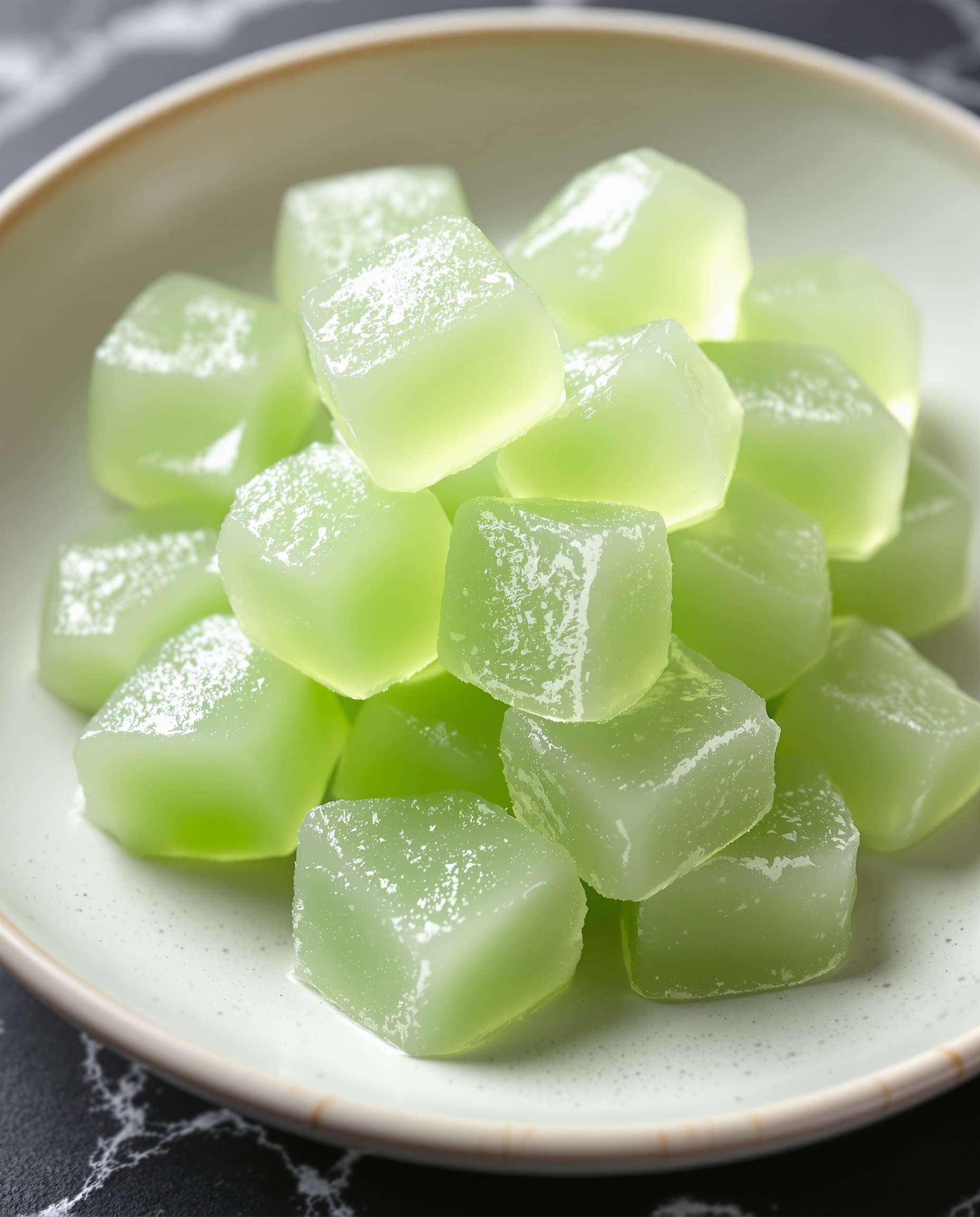
Discover our honest, science-backed konjac jelly weight loss recipe! Learn how this low-calorie, high-fiber treat can support your goals. No bullshit, just facts.
Let’s be honest, navigating the world of weight loss can feel like a minefield of conflicting information and empty promises. You’re looking for something that actually helps, something that’s easy to make, and something that won’t leave you feeling deprived. That’s where this konjac jelly weight loss recipe comes in. It’s not a magic bullet – nothing is – but it offers a genuinely low-calorie, satisfying option that can be a valuable tool in your weight management journey. I’m here to explain the ‘why’ behind the ‘what,’ so you understand exactly how this simple food can contribute to your goals.
| Prep Time | 10 minutes | Cook Time | 5 minutes |
| Servings | 4 | Calories | 15 kcal |
Ingredients
- 1 cup (240ml) water
- 1 teaspoon agar-agar powder (or 1 tbsp konjac powder, adjust water if using konjac)
- 2 tablespoons erythritol (or other preferred 0-calorie sweetener, to taste)
- 1/2 teaspoon natural green food coloring (from spirulina or matcha powder)
- 1/4 cup (60ml) sugar-free fruit juice (e.g., cranberry, apple, or a squeeze of lemon)
Recommended Tools You’ll Need
| Tool | Why You Need It |
|---|---|
| Small Saucepan | Essential for evenly heating and dissolving the agar-agar/konjac powder without scorching. |
| Whisk | Crucial for preventing lumps and ensuring a smooth, consistent jelly texture. |
| Shallow Square Dish | Perfect for creating a uniform thickness, making it easy to cut into neat cubes. |
| Sharp Knife | For precise cutting of the firm jelly into clean, appealing cubes. |
Calorie Reality
At just 15 calories per serving, this konjac jelly recipe is incredibly light. To put it in perspective, a typical weight loss calorie budget might be between 1500-2000 calories per day. This recipe accounts for less than 1% of that, making it a fantastic low-impact option for a snack or dessert that won’t derail your efforts.
About Your Daily Budget: Your Total Daily Energy Expenditure (TDEE) is the total number of calories your body burns in a day, including basal metabolism, activity, and digestion. To lose weight, you generally need to consume fewer calories than your TDEE.
Diet Compatibility
Compatible with: Low-Calorie Diets, Low-Carb Diets (minor adjustments), Keto Diets (minor adjustments), Vegan Diets, Gluten-Free Diets
Not compatible with: High-Protein Diets (as a standalone), High-Fat Diets (as a standalone)
Warning: Mixing Diets: Trying to combine too many restrictive diets at once can be confusing, unsustainable, and potentially detrimental to your health. Each diet has different principles and macronutrient targets. For example, trying to be simultaneously low-carb and high-fat while also severely restricting calories can lead to nutrient deficiencies or an inability to maintain energy levels. Your body prefers consistency, and drastic, conflicting changes can confuse metabolic processes, including lipogenesis (the creation of fat).
Expert Tips
To maximize the weight loss benefits of konjac jelly, consider having a serving 30 minutes before a main meal. The fiber will start to expand in your stomach, potentially leading you to eat less during your meal. Always use a 0-calorie sweetener to keep the calorie count minimal. Experiment with sugar-free flavorings like extracts (vanilla, almond) or a tiny dash of calorie-free cordial instead of juice for even lower carb options. Remember, consistency in your overall diet is far more impactful than any single food.
Macros Breakdown
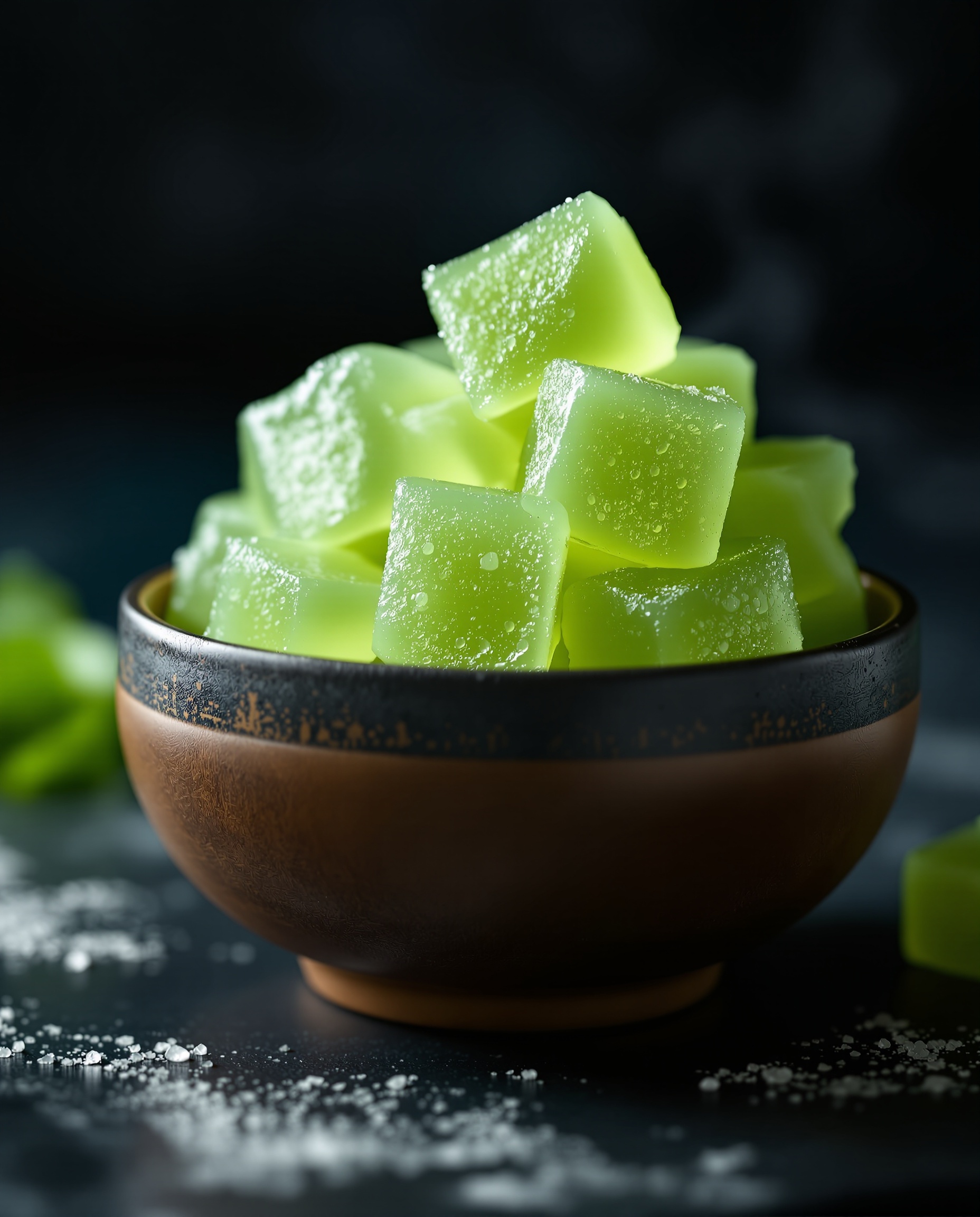
This recipe is incredibly low in calories, almost negligible in protein and fat, and contains a small amount of carbohydrates primarily from the fiber in konjac/agar-agar and a tiny bit from the fruit juice. It’s not designed to be a complete meal, but rather a high-fiber, low-calorie volume food that can help you feel fuller without adding significant calories. The fiber content is key for satiety.
Nutrition Information (per serving)
| Calories | Protein | Carbs | Fat | Fiber |
|---|---|---|---|---|
| 15 kcal | 0.1g | 3g | -g | 2.5g |