Gelatin Trick vs Ozempic Recipe
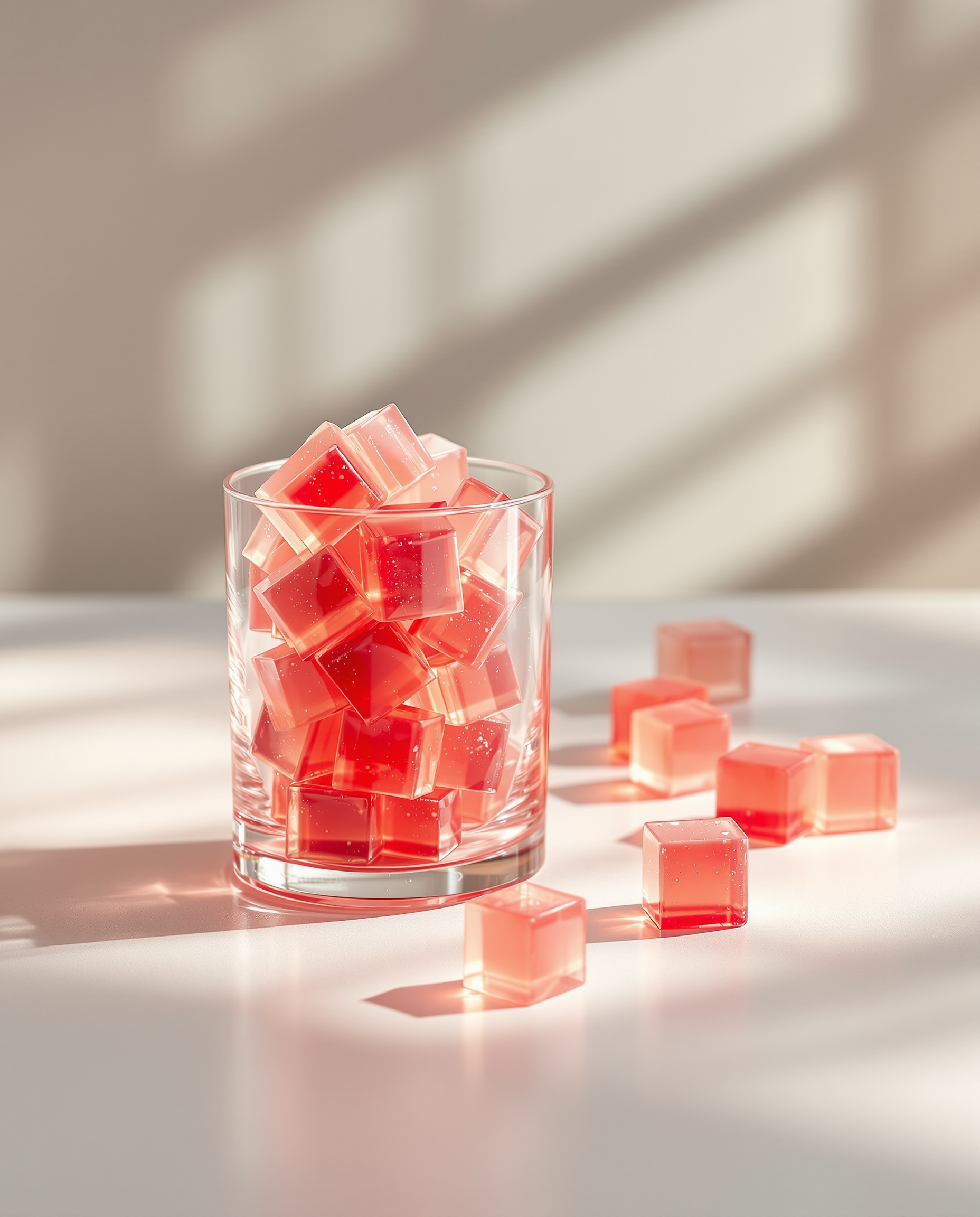
Curious about the ‘gelatin trick vs Ozempic’ for weight loss? This science-backed, rose-ambre gelatin cube recipe helps with satiety and a calorie deficit. Get the honest truth here.
Let’s be honest: when you hear ‘weight loss trick,’ it often sounds too good to be true. And usually, it is. But what about the ‘gelatin trick’ that’s been buzzing around, especially when compared to medications like Ozempic? Here’s the deal: no food, no matter how clever, is a direct substitute for a prescribed medication. However, understanding how certain foods can support your weight loss efforts, particularly by improving satiety, can be a game-changer. This rose-ambre gelatin cube recipe isn’t a magic bullet, but it’s a simple, science-backed tool to help you feel fuller for longer, naturally integrating into a calorie-controlled approach. This isn’t medical advice – I’m not a doctor – but I do read the science, and I’m here to simplify it for you.
| Prep Time | 15 minutes | Cook Time | 4 hours (chilling) |
| Servings | 8 | Calories | 15 kcal |
Ingredients
- 2 cups (475 ml) hot water, divided
- 4 packets (28 g total) unflavored gelatin powder
- 1/4 cup (60 ml) fresh lemon juice
- 1/4 cup (60 ml) erythritol or stevia blend (sugar substitute)
- 1 tsp rose-ambre natural food coloring
- Pinch of salt
Recommended Tools You’ll Need
| Tool | Why You Need It |
|---|---|
| 8×8 inch Glass Baking Dish | Ensures even setting and easy cutting of the gelatin cubes. |
| Whisk | Essential for thoroughly dissolving gelatin and sweeteners, preventing lumps. |
| Measuring Cups and Spoons | Accuracy in ingredients is key for proper gelatin setting and flavor balance. |
| Airtight Container | Keeps your gelatin cubes fresh and firm for longer in the refrigerator. |
Calorie Reality
At just 15 calories per serving, these rose-ambre gelatin cubes are incredibly low-calorie. In a typical 1500-2000 kcal daily budget, this recipe represents less than 1% of your total intake, making it an excellent choice for a guilt-free snack or dessert that won’t derail your calorie goals. It’s designed to add volume and satiety without significant caloric cost.
About Your Daily Budget: Your Total Daily Energy Expenditure (TDEE) is the total number of calories you burn in a day, including basal metabolism, physical activity, and food digestion. To lose weight, you need to consistently consume fewer calories than your TDEE, creating a calorie deficit.
Diet Compatibility
Compatible with: Keto, Low-Carb, Paleo (check sweetener), Sugar-Free, Gluten-Free
Not compatible with: Vegan, Vegetarian
Warning: Mixing Diets: Mixing and matching diet approaches without understanding their core principles can lead to confusion, frustration, and even hinder your progress. For example, trying to combine a high-carb approach with a ketogenic one can lead to constant hunger and prevent your body from entering ketosis. Your body prefers to store excess energy as fat (a process called lipogenesis) if it’s not getting consistent signals. Pick one science-backed approach, stick with it, and focus on consistency for sustainable results. Don’t fall for trendy mash-ups that contradict each other.
Expert Tips
To maximize the effectiveness of these gelatin cubes for weight loss, consider consuming them before a meal or as a mid-afternoon snack when hunger often strikes. The protein in gelatin can help curb your appetite, potentially leading to smaller meal portions. For an extra satiety boost, you can add a tablespoon of chia seeds (account for calories!) to the mixture before chilling. Always ensure you’re drinking plenty of water throughout the day, as sometimes thirst is mistaken for hunger. Consistency with healthy habits, not just one ‘trick,’ is what truly delivers results.
Macros Breakdown
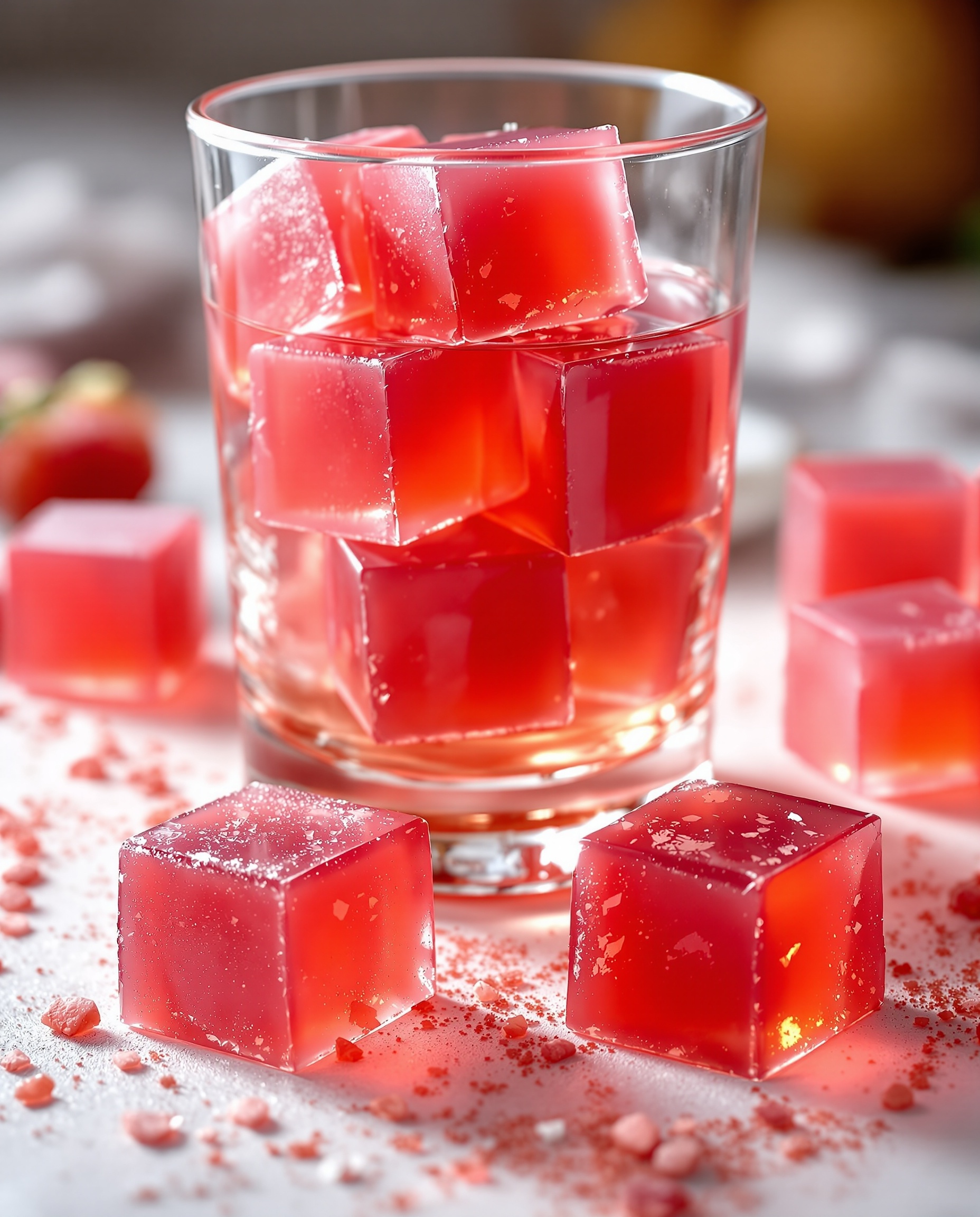
This recipe is primarily protein from the gelatin, with virtually no carbs or fats. This macro profile is ideal for weight loss because protein is highly satiating, meaning it helps you feel full, and it has a higher thermic effect of food compared to carbs or fats, meaning your body burns more calories digesting it. It supports lean muscle mass preservation during a calorie deficit.
Nutrition Information (per serving)
| Calories | Protein | Carbs | Fat | Fiber |
|---|---|---|---|---|
| 15 kcal | 3g | -g | -g | -g |